The Problem: Iris Analysis Is Slow, Subjective, and Hard to Scale
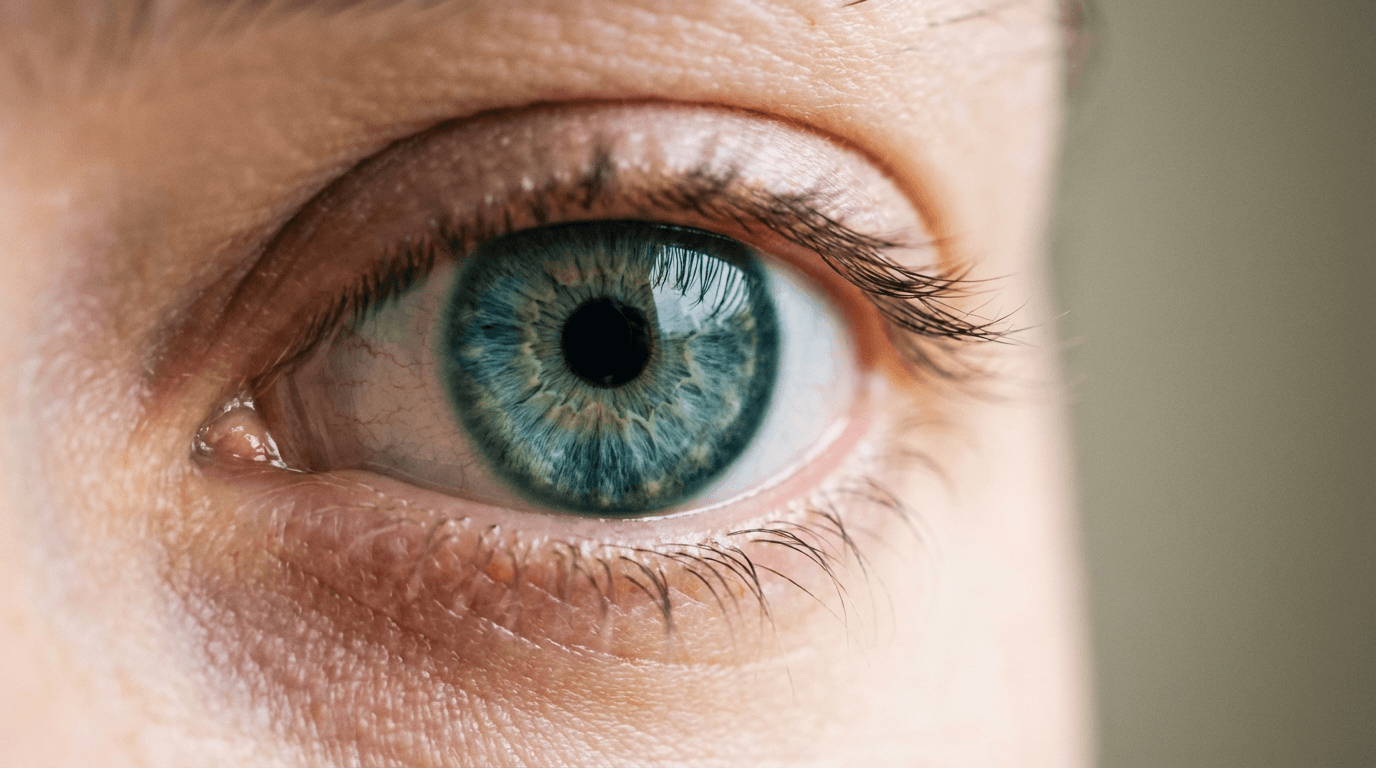
Every iridologist knows the challenge: peer at an iris image, identify constitutional markers, assess fiber density, evaluate pupil tonus, document findings. A thorough analysis takes 20-30 minutes per client.
Your clients want objective data. Your practice needs consistent assessments across practitioners. But traditional iris analysis is:
- Time-intensive: 20-30 minutes per detailed assessment
- Subjective: Different practitioners see different patterns
- Hard to document: Creating professional reports adds more time
- Not scalable: You can only see so many clients per day
What if you could get a comprehensive iris analysis in under 30 seconds with consistent, documentable results?
What We Built: Zero Blind — AI-Powered Iridology
We partnered with a naturopathic practice to build Zero Blind, an AI system that analyzes iris images and delivers instant constitutional insights. Upload an image, get a complete wellness assessment—immediately.
The Analysis Dashboard
The system provides four key wellness dimensions:
| Analysis Type | What It Reveals |
|---|---|
| Constitutional Type | Lymphatic, Hematogenic, or Biliary classification |
| Resilience Score | Fiber density and structural integrity assessment |
| Behavioural Type | Personality tendencies based on iris patterns |
| Pupil Tonus | Nervous system balance indicators |
Constitutional Type Analysis
The AI classifies each iris into one of three primary constitutional types:
-
Lymphatic (Blue) — Light iris with visible fiber structure. Often indicates sensitivity to dairy, tendency toward lymphatic congestion, and strong immune response patterns.
-
Hematogenic (Brown) — Dense, dark iris with less visible fiber detail. Often associated with blood sugar regulation focus and digestive system emphasis.
-
Biliary (Mixed) — Combination patterns showing both characteristics. Indicates balanced but potentially variable constitutional tendencies.
Instant Visual Feedback
The processed image highlights key markers:
- 🔵 Constitutional zones — Color and structure patterns identified
- 🟡 Fiber density regions — Resilience indicators mapped
- 🔴 Areas of interest — Patterns warranting practitioner attention
One glance gives practitioners a foundation for deeper client consultation.
How It Works: 3 Simple Steps
Step 1: Capture Use any smartphone or iris camera. The app accepts standard photos—no specialized equipment required. Built-in guidance ensures proper framing and lighting.
Step 2: AI Analysis Our GPT-4 Vision model—trained on iridology principles—analyzes the iris and calculates:
- Constitutional classification
- Fiber density scoring
- Behavioural pattern recognition
- Pupil tonus assessment
Step 3: Get Results Receive a comprehensive wellness profile instantly. Export professional reports for client records or further consultation.
The Technical Edge
Why We Used GPT-4 Vision
Traditional computer vision struggles with the nuanced patterns in iridology. We chose GPT-4 Vision because:
| Approach | Challenge | Our Solution |
|---|---|---|
| Traditional CV | Requires thousands of labeled examples | GPT-4V works with natural language descriptions |
| Rule-based systems | Can't handle variation in iris patterns | AI adapts to individual differences |
| Generic image models | Don't understand iridology concepts | Prompt engineering encodes practitioner knowledge |
Multi-Dimensional Analysis
Each assessment considers multiple factors simultaneously:
- Color analysis — Base pigmentation and variations
- Structural patterns — Fiber arrangement and density
- Topographical zones — Mapping iris regions to body systems
- Dynamic indicators — Pupil responsiveness patterns
This holistic approach mirrors how experienced practitioners assess—but with consistent, documentable outputs.
Results for the Practice
| Before AI | After AI | Impact |
|---|---|---|
| 25 min per analysis | 30 seconds | 98% faster |
| Subjective notes | Structured data | Consistent across practitioners |
| Manual report creation | Auto-generated profiles | Hours saved weekly |
| Limited to in-office | Mobile-enabled | Remote consultations possible |
What the Practitioner Said:
"I used to spend the first half of every consultation on analysis. Now I get comprehensive insights before the client even sits down. It's transformed how I run my practice—I can see more clients while providing better care."
— Naturopathic clinic, Australia
Built for Wellness Professionals
Analysis Outputs
| Category | Metrics |
|---|---|
| Constitutional | Type classification, confidence score, supporting indicators |
| Resilience | Fiber density rating, structural integrity assessment |
| Behavioural | Personality tendencies, stress response patterns |
| Pupil Analysis | Tonus evaluation, nervous system indicators |
Platform Availability
- iOS App — Native iPhone experience with camera integration
- Android App — Full-featured mobile analysis
- Web PWA — Access from any browser, works offline
- API Access — Integrate with existing practice management systems
Privacy & Compliance
- Images processed in real-time, not stored
- Client data encrypted end-to-end
- Configurable data retention policies
- Designed for healthcare privacy requirements
The Technology Stack
- AI Engine: GPT-4 Vision with custom prompting
- Mobile: Cross-platform (iOS, Android, PWA)
- Backend: Secure API with authentication
- Export: PDF reports, structured data export
Is This Right for Your Practice?
Zero Blind is built for:
- Naturopaths using iridology in constitutional assessment
- Iridologists seeking consistent, documentable analysis
- Wellness practitioners adding iris screening to services
- Integrative clinics scaling practitioner capabilities
- Training institutions teaching iridology principles
If you're doing iris analysis manually, we can typically automate the initial assessment while improving consistency—giving you more time for what matters: client care.
FAQ
Q: Do I need specialized iris camera equipment? A: No. Any smartphone camera works. We provide guidance for optimal capture, but the AI is trained to work with standard photos.
Q: How accurate is the constitutional typing? A: The system achieves high agreement with experienced practitioners. All results include confidence scores, and the AI flags uncertain classifications for manual review.
Q: Does this replace practitioner expertise? A: No. Zero Blind provides a structured starting point. Constitutional insights should always be interpreted within the context of client history, symptoms, and practitioner judgment.
Q: Can I customize the analysis parameters? A: Yes. Practitioners can adjust confidence thresholds and configure which assessments to include in client reports.
Q: Is my client data secure? A: Images are processed in real-time and not stored unless you explicitly save them. All data is encrypted and handled according to healthcare privacy standards.